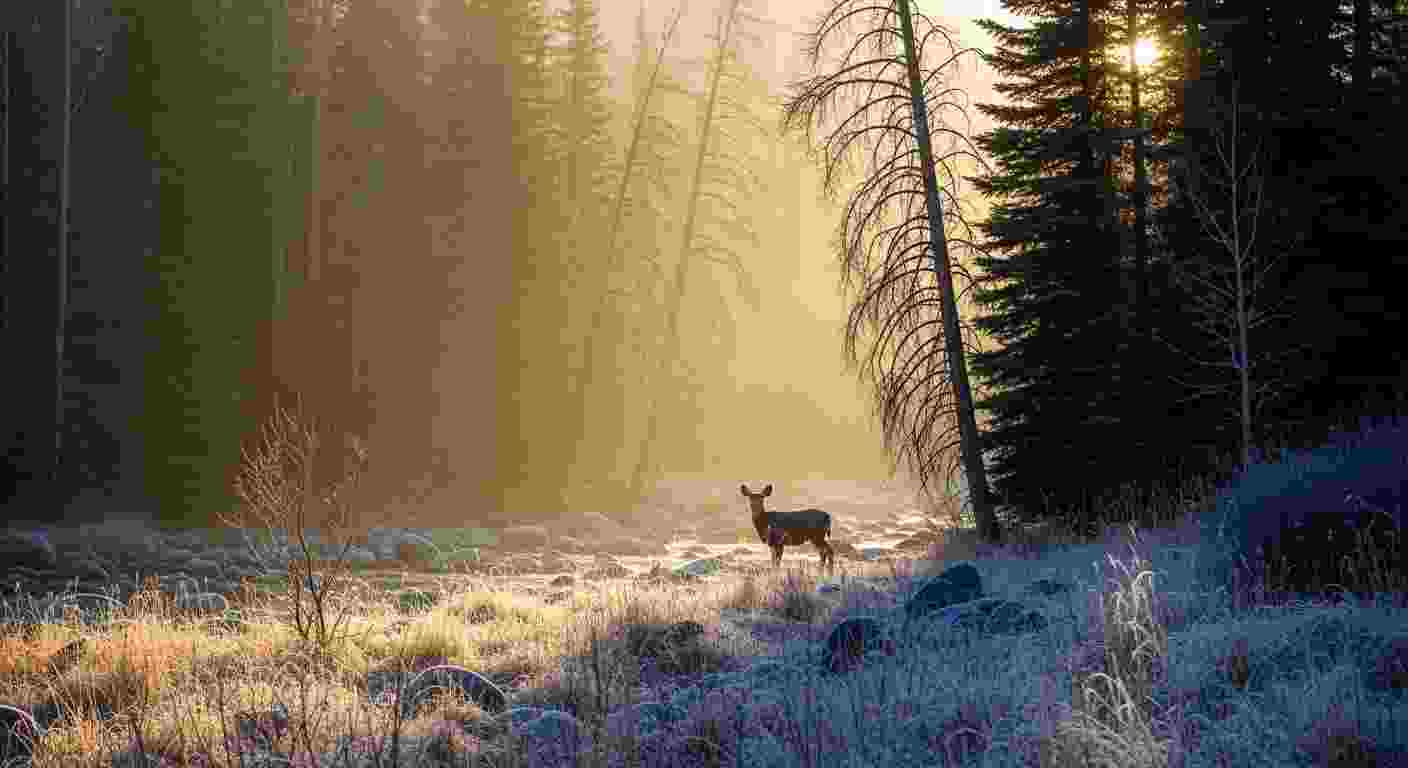
Living in a city situated exactly 1,100 meters above sea level means you have to expect the unexpected when you look at the sky. Our city rests right in the foothills of the Canadian Rockies where the atmospheric conditions create a wild ride of atmospheric shifts and intense sunlight. We officially hold the title of Canada’s sunniest major city with over 330 days of sunshine annually. But that bright blue sky can be incredibly deceiving. You might wake up to bone chilling frost and end your afternoon comfortably walking the dog in a short sleeve shirt. This dramatic high altitude climate shapes the way we live our daily lives and understanding it is the true mark of a local.
The true secret to staying comfortable is mastering your layers. You want to trap body heat when the temperature plummets but easily shed pieces when the barometric pressure drops and the air warms up.
The Science Behind Calgary Chinook Winds
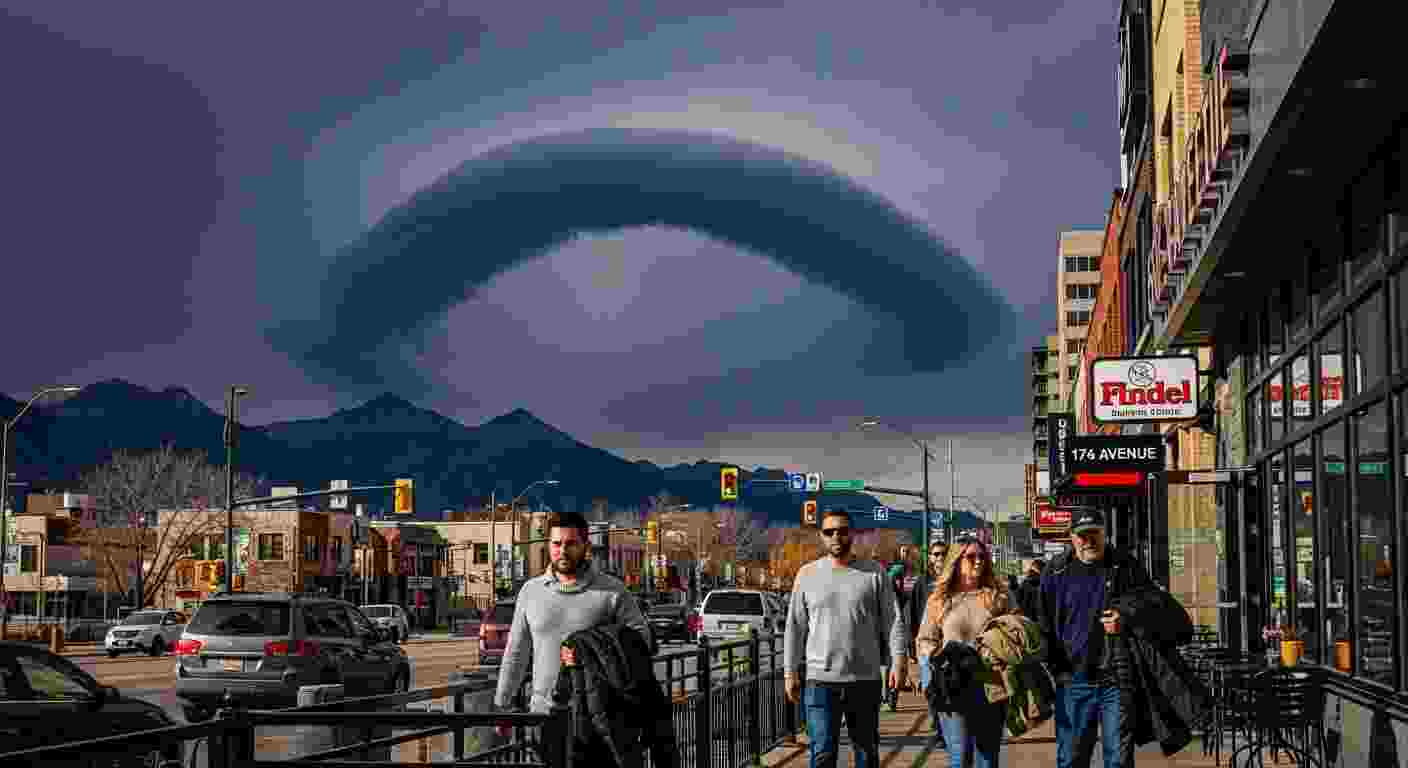
If there is one thing that defines the local climate experience more than anything else it is the arrival of the Calgary Chinook winds. These warm and dry westerly winds roll down the slopes of the Rocky Mountains and sweep across our city boundaries typically arriving between November and May. For anyone enduring a deep freeze these winds feel like an absolute miracle. A strong chinook can raise temperatures by an astonishing 20 degrees Celsius in just a few short hours. This rapid warming effect is exactly why Indigenous communities historically referred to these winds as the snow eater. You can always tell when this weather anomaly is about to hit by looking toward the western horizon. Locals know to watch for the Chinook Arch which is a very distinct and stationary band of clouds that forms right over the mountains while the rest of the sky above the city remains perfectly clear. Meteorologists have become quite skilled at tracking these systems. Tiffany Lizee acts as the chief meteorologist for Global News Calgary and she explains that forecasters can predict these warm winds up to ten days before they actually occur. When a strong low pressure system builds over the Pacific Ocean and tracks toward southern Alberta experts know that the airflow will inevitably head straight for our neck of the woods.How These Warm Winds Actually Form
While we just experience the sudden warmth on the ground the actual process starting out west is fascinating. The entire phenomenon relies on a partnership between the wind and the mountains. Susan Reid teaches earth and environmental sciences at Mount Royal University and she breaks down the science into simple terms. Everything begins when moist westerly air flows are forced up the windward side of the Rocky Mountains facing British Columbia. As the air travels higher up the mountain peaks it cools off and the water vapour condenses into rain or snow. By the time that air crosses the mountain peaks and begins to descend on the eastern side toward our city it has lost its moisture. As it travels down the mountain slopes it experiences increased pressure and compression. Expanding air cools but compressed air warms up significantly. This creates the warm and completely dry air mass that eventually washes over our homes and melts our snowpack. It is worth noting that this exact same physical process happens in other mountainous regions around the globe giving us phenomena like the Zonda in Argentina and föehns in southern Europe.Navigating the Four Seasons of Calgary Weather Patterns
To truly master life in this city you must understand that the calendar means very little to the sky above. Calgary weather patterns follow their own set of rules entirely. Winter officially stretches from November to March and brings very long cold stretches where temperatures can plummet to negative 30 degrees Celsius or even lower. However the air here is extremely dry which makes the cold feel much less damp and biting than the winter chill you might find in coastal cities. Spring in this region is notoriously unpredictable and incredibly late to arrive. April and May are turbulent months where the atmospheric conditions fight for dominance. You can very easily experience a full blown blizzard in May right as the trees are finally beginning to bud. In fact March is historically the month that brings us our heaviest snowfall. Summer is short but deeply appreciated. Running from June to August our summer months bring pleasantly dry heat with daytime highs generally hovering between 20 and 25 degrees Celsius. We do get heat waves that push temperatures above 30 degrees Celsius. June stands out as our wettest month and often brings rapid afternoon thunderstorms. The region stretching north toward Red Deer is famously known as Hailstorm Alley because these summer storms frequently drop heavy hail. Fall is arguably the most beautiful season here but it is painfully brief. September brings crisp clear days with vibrant foliage before the first snowfall inevitably arrives as a dusting in early October. The dramatic swings are so extreme that rumors of snow in August Calgary style continue to circulate among locals as a testament to our bizarre capability for late summer frost and unexpected squalls.Microclimates Within the City
Even within city limits the experience of a single day can vary wildly depending on your exact postal code. We have several distinct microclimates due to the rolling topography. The lower lying river valleys surrounding the Bow and Elbow Rivers tend to be slightly cooler and are much more prone to collecting morning fog. Meanwhile the elevated northwest plateau catches significantly stronger winds and frequently receives slightly higher snow accumulation during a storm.The Physical and Financial Toll of Temperature Swings
We love the relief of a midwinter melt but these massive temperature swings come with serious complications. For the municipal government managing the roads during these events is a massive headache. Lawrence Nkemdirim conducted a study at the University of Calgary in 1997 highlighting how these winds can help clear the roads naturally but also make it incredibly difficult for the city to plan its 55 million dollar annual road maintenance budget. The constant cycle of rapid melting followed by deep refreezing creates extremely slippery ice conditions on our sidewalks and streets. The environmental impacts stretch far beyond city limits as well. Out west in the Rockies the shifting temperatures can trigger dangerous wind slab avalanches as broken snow crystals pack together into stiff layers. Closer to home the agricultural sector faces challenges because the warm winds absorb moisture and cause the soil to dry out completely. Edwin Cey heads the Department of Earth Energy and Environment at the University of Calgary and notes that our semi arid climate forces local farmers to rely heavily on irrigation systems.According to research from Migraine Canada 80 percent of Albertans link their terrible headaches to the arrival of chinooks. The rapid shifts in barometric air pressure trigger what locals commonly refer to as chinook migraines leaving many residents reaching for pain relief the moment they spot that distinct cloud arch forming in the west.
What to Know If You Are Moving to Calgary Weather
If you are moving to Calgary weather will quickly become your most discussed topic of daily conversation. New residents are often caught off guard by the sheer intensity of the elements. You have to learn to adapt quickly to the extreme diurnal temperature swings. Because of the high elevation and the incredibly dry air the temperature can drop by 15 degrees Celsius or more the moment the sun sets. You might be perfectly comfortable in a light shirt at three in the afternoon but you will absolutely need a warm jacket if you plan to walk to a restaurant at eight in the evening. The city has actually built massive infrastructure projects just to help us cope with the cold snaps. The most famous adaptation is our indoor skywalk system.- The Plus 15 network connects the vast majority of our downtown office buildings through enclosed bridges.
- These walkways are suspended 15 feet above street level keeping pedestrians completely safe from the ice.
- You can walk across the entire downtown core in the middle of January without ever stepping outside into the freezing elements.
- The dry winter air means you must prioritize skin care and hydration much more than you would in a humid coastal environment.
- Warm weather spells late in winter can trick plants into budding early leaving them highly vulnerable to frost damage when the cold returns.
A Practical Guide to Dressing for Calgary Winter
Surviving the darkest months is entirely about preparation and flexibility. Anyone dressing for Calgary winter must embrace the concept of modular clothing. You cannot rely on a single giant parka because you might step onto a freezing transit platform in the morning and then find yourself sweating in the afternoon sun when a warm wind suddenly rolls through town.| Weather Scenario | Essential Clothing Strategy | Local Advice |
|---|---|---|
| Deep Arctic Freeze | Heavy insulated parka with a wind resistant shell and thermal base layers. | Exposed skin can freeze quickly. Always carry warm gloves and a thick toque. |
| Chinook Arrival | Breathable mid weight fleece over a short sleeve shirt with a packable outer shell. | The wind will be warm but very strong. Eye protection is helpful for dust. |
| Spring Blizzard | Waterproof boots paired with moisture wicking socks and a durable rain shell. | Snow is typically heavy and wet during this time. Keep your feet completely dry. |
| Summer Evening | Light breathable fabrics for the day with a dependable fleece jacket packed away. | Never leave the house without a layer for the evening temperature drop. |
- Start with a high quality thermal base layer that sits tight against the skin to wick away sweat during active movement.
- Add an insulating middle layer like a thick wool sweater or a premium fleece zip up.
- Finish with a protective outer shell that entirely blocks the wind and stops melted snow from soaking your inner layers.
- Invest in excellent footwear with deep treads because the constant freeze and thaw cycle turns every sidewalk into a skating rink.